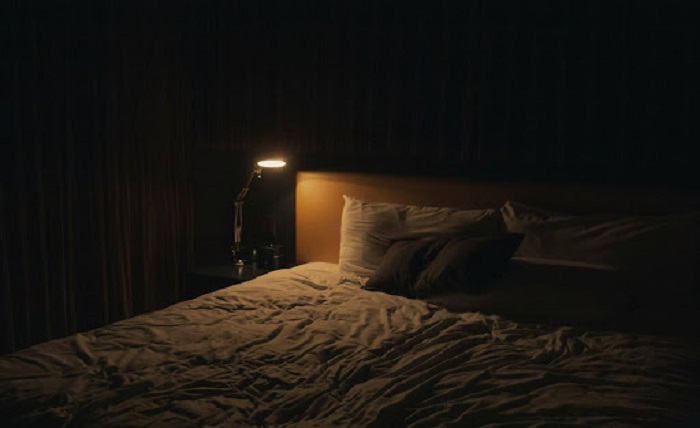
You’ve tried melatonin, meditation apps, and counting sheep, but you’re still lying awake at 2 AM wondering why sleep won’t come. Before you blame your brain or anxiety, look around your bedroom. Most people dramatically underestimate how much their sleep environment affects sleep quality. Your bedroom might be sabotaging you before your head even hits the pillow.
Why Your Environment Matters So Much
Your brain takes environmental cues to determine whether it’s safe to sleep. Light, temperature, sound, and visual clutter all send signals that override your conscious intentions. You can’t willpower your way past biological responses to your surroundings.
Temperature: The Most Overlooked Factor
Your core body temperature needs to drop for sleep to occur. The ideal bedroom temperature is between 60-67°F (15-19°C)—cooler than most people keep it. If you’re waking up hot or can’t fall asleep, temperature is likely the culprit. Invest in breathable bedding and consider a fan or adjusting your thermostat.
Light: Total Darkness Is Non-Negotiable
Even small amounts of light suppress melatonin production. Cover or remove LED lights from electronics. Use blackout curtains or a sleep mask. Your bedroom should be dark enough that you can’t see your hand in front of your face.
Sound Management
You need either complete silence or consistent white noise—not intermittent sounds that wake you. Earplugs, a white noise machine, or a fan can mask disruptive noises. Your brain can adapt to consistent sound but reacts to changes.
Visual and Mental Clutter
Your bedroom should be associated solely with sleep and intimacy. Remove work materials, exercise equipment, and clutter. Make your bed daily—it signals that this space is cared for and sacred. Even limiting late-night stimulation—like scrolling through social feeds or playing JILI games in bed—can help your mind detach and transition into rest mode more easily.
Wrapping Up
Sleep hygiene isn’t about perfection—it’s about removing obstacles between you and rest. Start with one change: drop your bedroom temperature tonight. Then address light, then sound. Small environmental adjustments often deliver better results than any supplement or app. Your bedroom should be a sleep sanctuary, not just where you happen to collapse at night.